

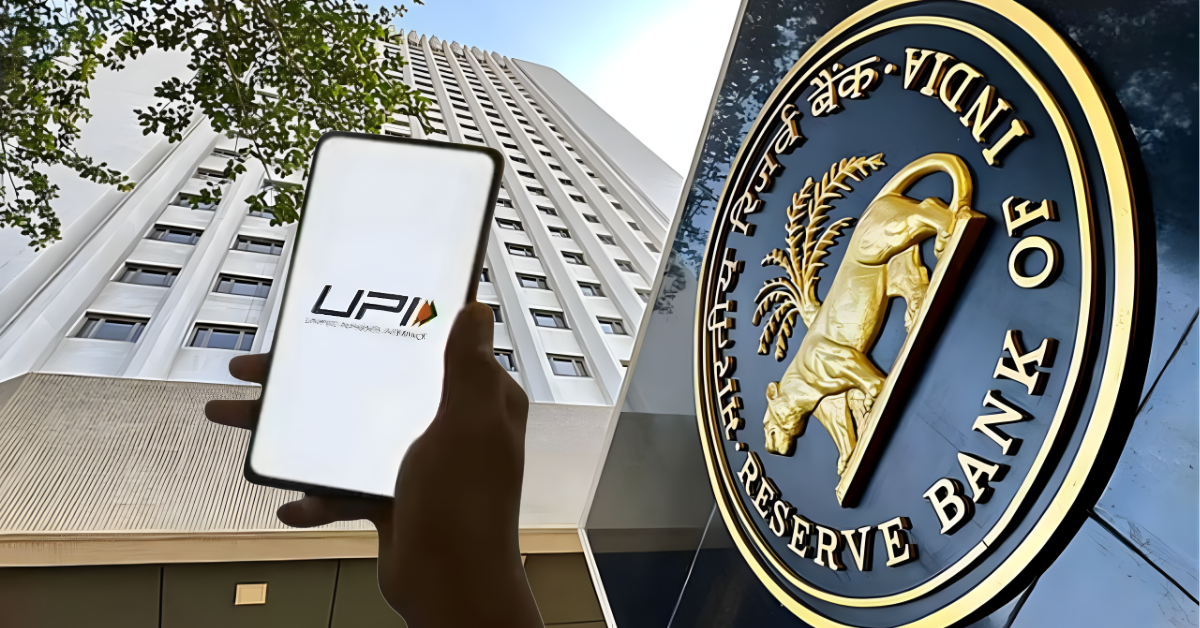
April 2026 has marked a turning point for India’s fintech ecosystem, as the Reserve Bank of India (RBI) rolled out a series of regulatory actions and enforcement measures impacting payments, wallets, cards, and lending startups.
The most significant step came on April 24, when the RBI cancelled the licence of Paytm Payments Bank, citing governance and compliance lapses. The regulator has initiated steps to wind up the entity, affecting Paytm’s wallet and merchant settlement ecosystem, although the company maintains that its core business remains unaffected.
In digital payments, the RBI has proposed a one-hour delay for UPI and IMPS transactions above ₹10,000, introducing a cooling-off period and beneficiary whitelisting to curb fraud. This could add friction for platforms like PhonePe, Google Pay, and Paytm in high value transactions.
The central bank has also proposed stricter norms for prepaid payment instruments (PPIs), including transaction caps of ₹2 lakh per month and ₹25,000 for peer transfers. Wallet players such as MobiKwik, Paytm, and Amazon Pay are expected to be impacted.
Additionally, updated e-mandate rules for recurring payments introduce tighter authentication requirements, affecting platforms like Razorpay and Cashfree Payments, along with subscription based businesses across OTT, insurance, and SaaS.
On the lending side, tighter norms for gold loans are disrupting fintech models. Startups such as Rupeek, Indiagold, and Oro are adjusting strategies, while incumbents like Muthoot Finance and Manappuram Finance strengthen their position.
Meanwhile, scrutiny of co-branded credit cards continues, with OneCard still under review, signaling tighter oversight of fintech bank partnerships.
Overall, RBI’s actions indicate a shift from entity level supervision to ecosystem wide regulation, with a sharper focus on customer protection, fraud prevention, and sustainable fintech growth.
Build smarter. Learn faster. Grow stronger with StartupByDoc.