

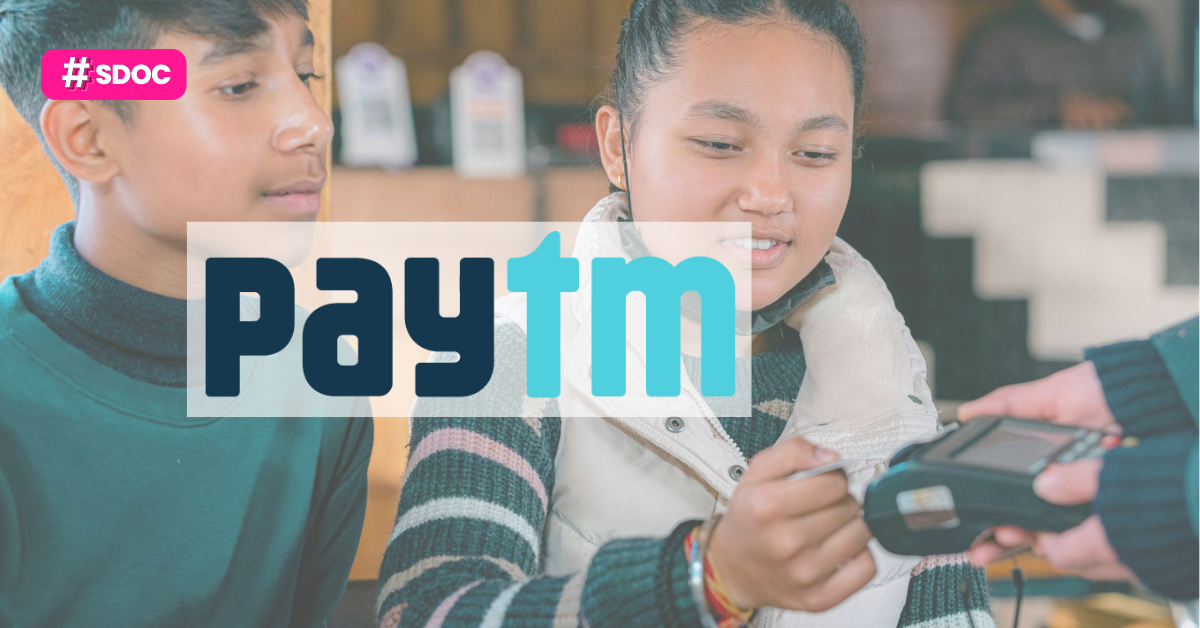
Paytm has launched ‘Pocket Money’, a new feature that enables teenagers to make UPI payments without requiring their own bank accounts, marking a significant expansion of supervised digital payments in India.
Built on the National Payments Corporation of India’s UPI Circle framework, the feature allows parents and guardians to delegate controlled spending access to teenagers directly through the Paytm app while retaining complete oversight of transactions and limits.
The feature is designed for everyday use cases including school and college canteens, metro travel, cab bookings, mobile recharges, and online shopping. Teenagers can make payments independently from their own smartphones without needing access to parental devices, OTPs, or QR-code sharing through messaging apps.
To maintain spending discipline and security, Paytm has introduced transaction controls under the framework. Individual payments are capped at ₹5,000, while the overall monthly spending limit across the UPI network is fixed at ₹15,000. International transactions and cash withdrawals are not permitted.
Parents can monitor spending activity in real time, modify limits instantly, or revoke access through their Paytm UPI PIN. The company has also integrated the feature with its Spend Summary tool, enabling families to track spending patterns and manage allowances more efficiently.
Additional safeguards include a ₹500 spending cap during the first 30 minutes after activation and a ₹5,000 limit within the first 24 hours. Device lock protection is also mandatory for access.
The launch comes at a time when fintech firms are increasingly targeting younger consumers with supervised payment products. Startups such as Fam, Walrus, and Junio had earlier introduced prepaid card-based products for minors. However, several such models were affected after RBI restrictions on co-branded PPI-based UPI arrangements.
Paytm’s Pocket Money feature differs by operating directly on NPCI’s UPI Circle infrastructure, allowing delegated UPI access without requiring teenagers to open bank accounts, while staying within the regulated banking ecosystem.