

Industrial Materials Are Under Pressure to Decarbonise
As global manufacturing tightens sustainability norms, even legacy materials like silica are being re-evaluated. Conventional silica production depends heavily on river sand and quartz and comes with high carbon emissions. With tyre, footwear, and industrial manufacturers facing ESG pressure, demand is rising for low-carbon, circular alternatives that can scale without disrupting performance or supply chains.
Funding Snapshot and Capital Deployment
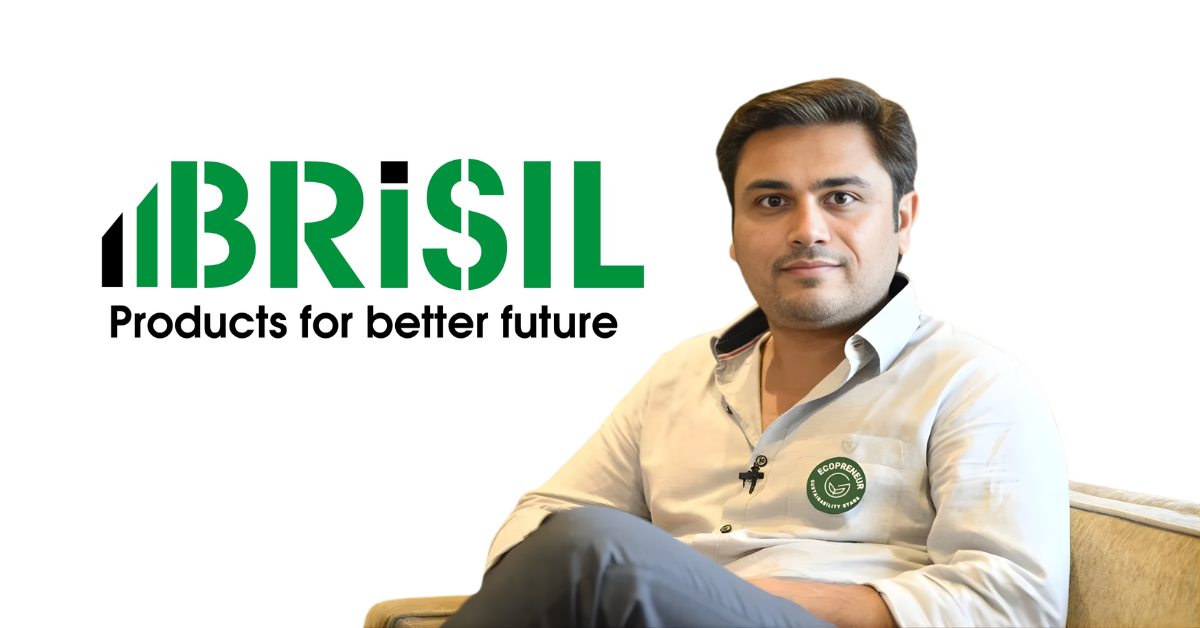
Climate tech startup Brisil Technologies has raised ₹3 crore in a pre-seed funding round led by Momentum Capital, with participation from Fondation Botnar.
The capital will be used to expand production capacity using Brisil’s proprietary zero-waste chemical process, strengthen the core team, and scale operations to meet growing global demand for sustainable silica.
What Brisil Is Building
Founded in 2016 by Tanmay Pandya, Brisil is building a circular economy play in the silica industry. The company produces highly dispersible and precipitated silica from rice husk ash, an agricultural waste byproduct generated by biomass power plants. Its proprietary process replaces sand-based extraction, significantly reduces carbon emissions, and converts bio-waste into industrial-grade material. Brisil currently operates a commercial facility with 400 tonnes per month capacity and plans to scale this to 3,000–5,000 tonnes per month to serve tyre, footwear, paints, and allied industries across India, Southeast Asia, and Europe.
Why This Funding Matters
With a demand pipeline of 6,000 metric tonnes per month and customers in tyres and footwear already onboarded, Brisil is addressing sustainability at the raw-material level, where climate impact is hardest to abate. Competing indirectly with incumbents such as Solvay, Evonik, Tata Chemicals, and Madhu Silica, Brisil’s progress highlights a growing opportunity for Indian climate-tech startups to decarbonise heavy industrial inputs, not just end products. For founders, the message is clear: circular chemistry and waste-to-value models are becoming investable pathways to global-scale impact.
Keep building. Keep learning. Keep growing with StartupByDoc.