

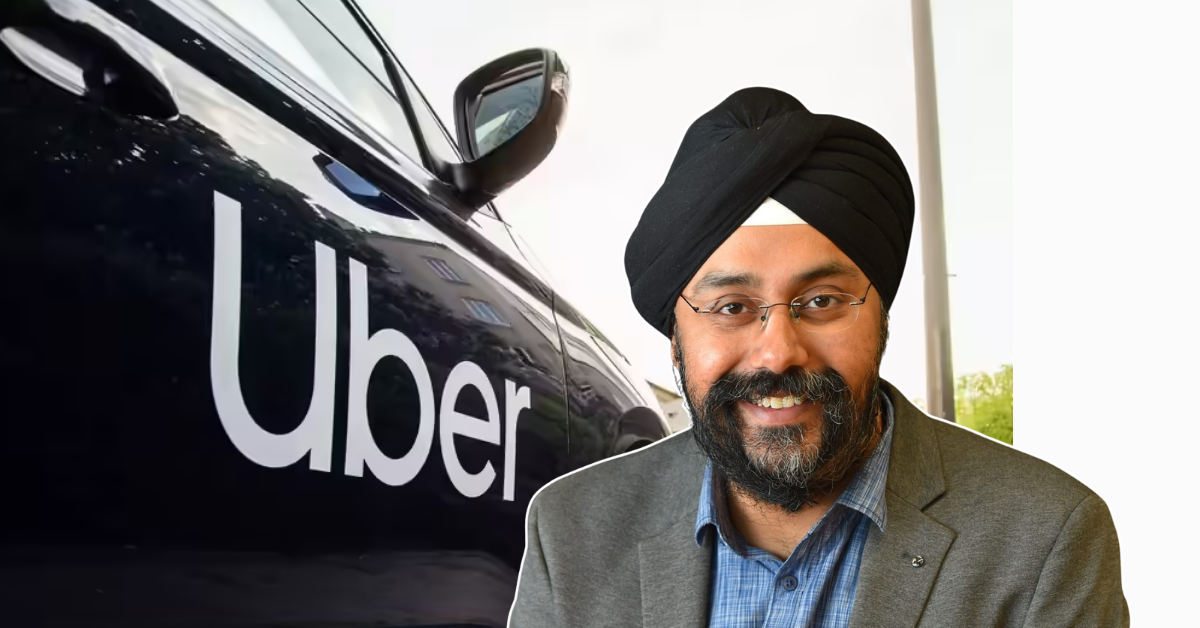
Uber India’s ride hailing business reported a sharp deterioration in profitability in FY25, with segment losses rising over fourfold to ₹1,407 crore, even as gross commission revenue remained flat during the year.
According to its consolidated financial statements for the year ended March 31, 2025, gross revenue from ride commissions stood steady at ₹2,604 crore. However, net revenue from ride hailing plunged 89% to ₹88 crore in FY25 from ₹807 crore in FY24.
Incentives Erode Reported Revenue
The divergence between stable gross commissions and collapsing net revenue reflects a significant rise in driver incentives and rider discounts. Uber increased spending on incentives by 33% to ₹2,516 crore in FY25. Under its accounting policy, these payouts are adjusted against gross revenue, materially compressing reported topline from mobility operations.
As a result, despite steady ride commissions, the net contribution from the core ride hailing segment narrowed sharply.
The competitive landscape intensified during the year, particularly after Rapido adopted a zero commission, subscription-led model. While direct financial comparisons remain limited, Rapido reduced its net losses by over 30% to ₹258 crore. In contrast, Uber India’s consolidated loss widened dramatically to ₹1,512 crore in FY25 from ₹89 crore in FY24.
Overall Revenue Holds Steady
At the consolidated level, Uber India’s total operating revenue grew 2.3% to ₹3,849 crore in FY25 from ₹3,762 crore in FY24. A significant portion continued to come from support services provided to its parent and group entities, which rose to ₹3,664 crore from ₹2,936 crore a year earlier.
The company also generated ₹79 crore from shift transportation services, including corporate employee mobility solutions.
Competitive and Structural Pressures
Industry observers note that rising reliance on incentives, evolving subscription based pricing models, and tightening margins are reshaping India’s ride hailing economics. With thin margins and fixed operating costs, profitability remains highly sensitive to promotional spending.
Uber, in response, stated that statutory filings do not fully reflect platform demand or growth trends in India, which it continues to describe as a key global market.
The Indian ride hailing sector is witnessing structural shifts, with Rapido gaining share, Uber maintaining second position, and Ola’s presence weakening. As pricing strategies evolve and government-backed initiatives like Bharat Taxi take shape, the competitive intensity in India’s mobility market is likely to remain elevated.
Follow Startupbydoc for daily startup insights, funding news, IPO analysis, and business breakdowns.