

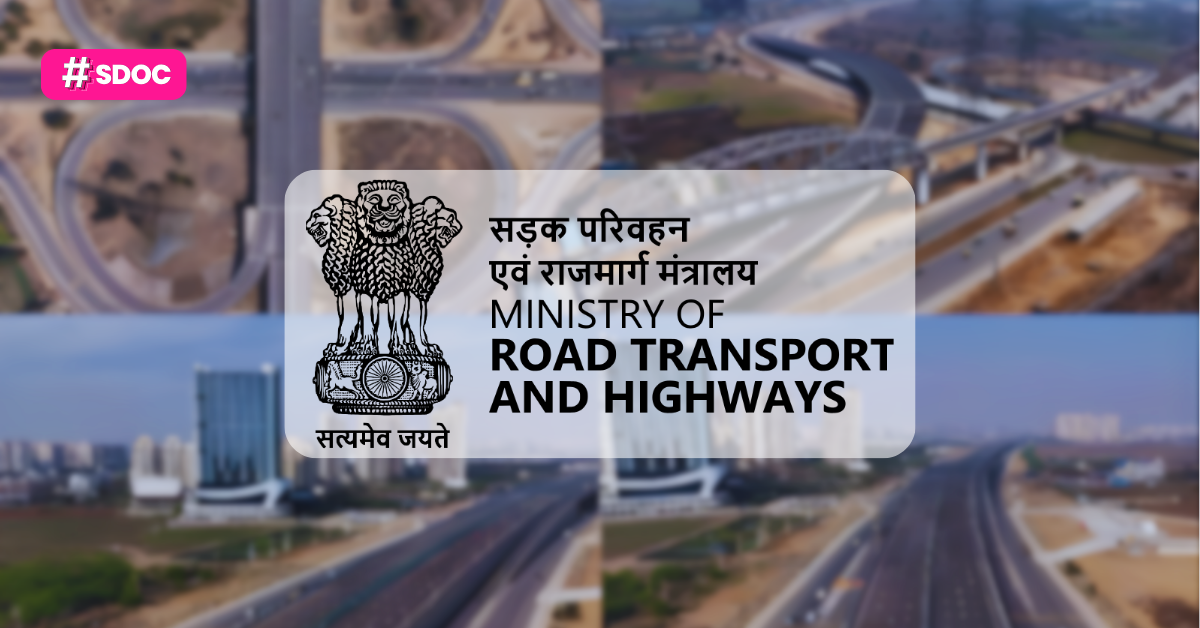
India’s roadways infrastructure has entered a high-growth phase, driven by large-scale investments, faster execution, and a strong policy push toward building world class connectivity.
Over the past decade, the country has significantly expanded its national highway network under the Ministry of Road Transport and Highways, with total highway length crossing 1.45 lakh km. The focus has shifted from basic connectivity to high-speed, access controlled corridors that improve both efficiency and travel experience.
A key driver of this transformation has been flagship programs such as Bharatmala Pariyojana and PM Gati Shakti, which aim to develop economic corridors and integrated infrastructure networks. These initiatives are not only enhancing connectivity between cities but also linking industrial hubs, ports, and logistics centers.
In recent years, India has accelerated the development of greenfield expressways, reducing travel time between major cities. Projects like the Delhi–Dehradun Economic Corridor highlight the government’s push toward faster, safer, and more efficient road travel.
At the same time, there is a growing emphasis on smart and sustainable infrastructure. Modern highways are now equipped with technologies such as FASTag based tolling and Advanced Traffic Management Systems (ATMS), while also incorporating eco-friendly features like wildlife corridors and EV-ready infrastructure.
From an economic standpoint, improved road infrastructure is helping reduce logistics costs, boost trade, and enhance regional development. It is also playing a crucial role in strengthening rural connectivity and supporting India’s overall growth story.
Looking ahead, India is expected to continue investing heavily in expressways and integrated transport systems, positioning roadways as a key pillar of long-term economic expansion.
Keep building. Keep learning. Keep growing with StartupByDoc.